
In the digital age, data is the lifeblood of every company. For small and medium-sized businesses (SMBs), this data—customer lists, financial records, proprietary information—is the foundation of their success. Yet, a growing and insidious threat looms over this critical asset: ransomware. Many SMB owners operate under the dangerous assumption that they are too small to be a target for cybercriminals, unaware of the dangers of ransomware. The reality is starkly different. According to recent statistics, a staggering 43% of all cyberattacks target small businesses, a number that continues to climb.
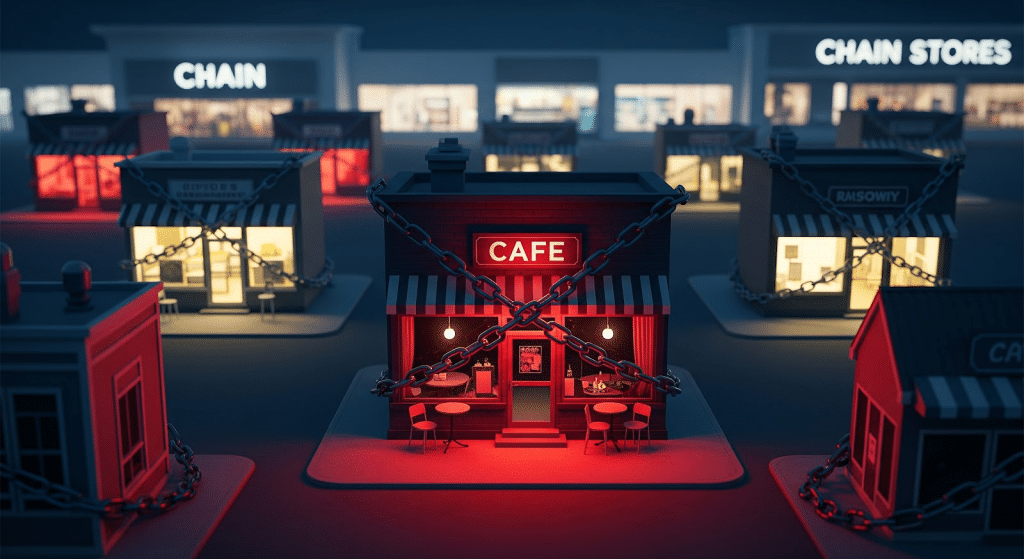
The dangers of ransomware to small and medium sized businesses are not just a hypothetical risk; they are a clear and present danger with devastating potential. An attack can bring operations to a grinding halt, inflict massive financial damage, and irreparably harm a hard-won reputation. This article will serve as your comprehensive guide to understanding this threat. We will delve into what ransomware is, how it specifically targets SMBs, its crippling financial impact, and most importantly, the actionable steps and cybersecurity solutions you can implement to protect your business from these costly consequences.
Ready to fortify your defenses?
Understanding Ransomware
Before you can effectively defend your business, you must first understand the enemy. Ransomware is a particularly vicious form of malicious software (malware) that has evolved into one of the most significant cyber threats facing organizations of all sizes today.
What is Ransomware?
At its core, ransomware is a form of digital extortion. Once it infiltrates a computer or network, it works to deny you access to your own data. The most common method is through encryption, where the malware scrambles your files, making them completely unreadable without a unique decryption key. The attackers then demand a ransom payment, typically in a cryptocurrency like Bitcoin to maintain their anonymity, in exchange for providing the key.
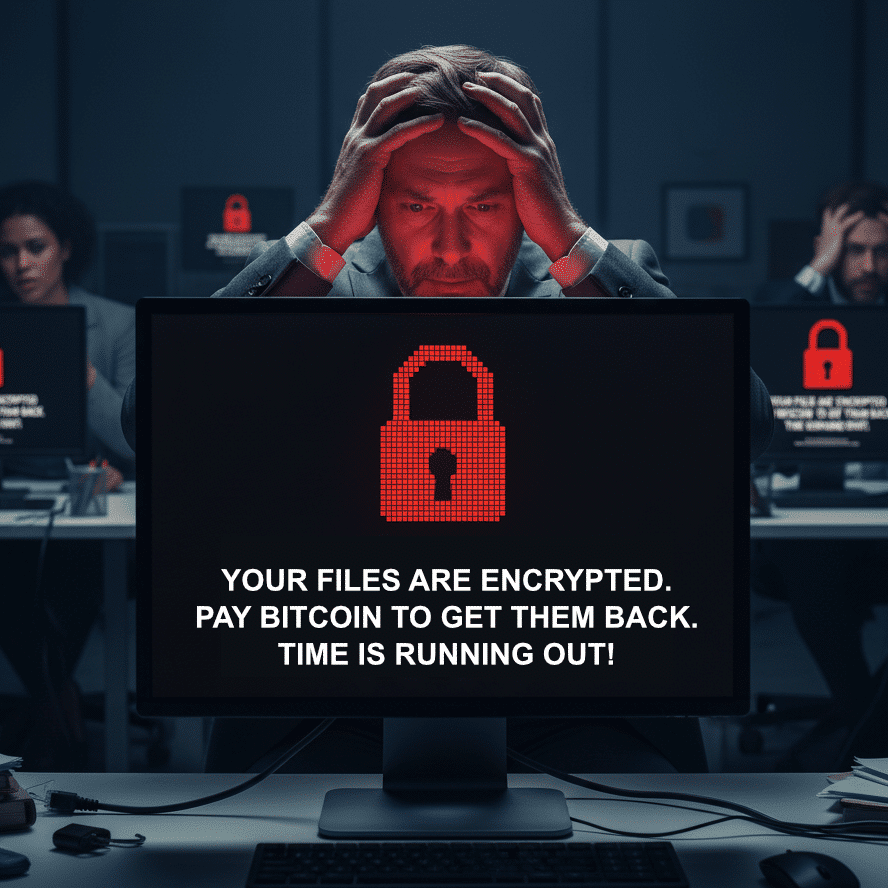
The threat has evolved beyond simple encryption. Modern ransomware attacks often involve “double extortion” or “triple extortion” tactics:
- Encryption: The classic method of locking your files.
- Data Exfiltration: Before encrypting the data, attackers steal a copy. They then threaten to leak this sensitive information publicly or sell it on the dark web if the ransom isn’t paid, adding immense pressure on the victim.
- Denial-of-Service (DDoS) Attacks: As a third layer of pressure, criminals may launch DDoS attacks against the victim’s website or public-facing services, making them unavailable to customers and further disrupting business operations.
How Ransomware Targets Small and Medium Sized Businesses
The myth that cybercriminals only go after large, wealthy corporations is precisely what makes SMBs such an attractive target. Attackers are opportunists, and they see SMBs as the perfect mark for several key reasons:
- Limited Resources: Unlike large enterprises with dedicated IT security teams and massive budgets, SMBs often lack the financial and human resources to implement and maintain robust cybersecurity defenses.
- Insufficient In-House Expertise: Many small businesses do not have a full-time cybersecurity expert on staff. IT responsibilities often fall to a small team or even a single person who may be overwhelmed with day-to-day operations.
- Perceived as a Quicker Payout: Cybercriminals believe that SMBs, whose very existence depends on daily operations, are more likely to pay a smaller ransom quickly to avoid catastrophic downtime. They play a volume game, where many smaller, faster payouts are more profitable than one large, difficult one.
- Supply Chain Vulnerabilities: SMBs can be a gateway to a much larger prize. Attackers often target smaller vendors or partners in a supply chain to find a weak link they can exploit to gain access to a major corporation.
These factors create a perfect storm, making the dangers of ransomware to small and medium sized business a critical issue that cannot be ignored.
Financial Impact of Ransomware
When business owners think about the cost of a ransomware attack, they often focus solely on the ransom demand itself. However, this is just the tip of the iceberg. The true financial impact of ransomware is a multi-layered disaster that can threaten a company’s long-term survival.
Immediate Costs of Ransom Payments
The ransom demand is the most direct cost. These demands can range from a few thousand dollars to millions, depending on the size of the business and the perceived value of its data. The FBI and other law enforcement agencies strongly advise against paying the ransom for several reasons:
- No Guarantee: There is no guarantee you will receive a working decryption key after paying.
- Encourages Criminals: Paying the ransom validates the criminals’ business model and funds their future attacks.
- Marks You as a Target: Paying may brand your business as a willing payer, making you a target for future attacks by the same or different groups.
Long-Term Financial Consequences
One of the dangers of ransomware are the costs that emerge after the initial attack. They are often far greater than the ransom itself. These can cripple a business for months or even years to come.
- Recovery and Remediation: Even if you get a decryption key, restoring systems is a complex and expensive process. You will likely need to hire external cybersecurity consultants to investigate the breach, eradicate the malware, and securely restore your data and systems.
- Reputational Damage: Trust is a fragile commodity. An attack can destroy the confidence your customers, partners, and suppliers have in your business, leading to significant customer churn and lost business opportunities.
- Legal and Regulatory Fines: If the attack involved the exfiltration of sensitive customer data (like PII or PHI), you could face substantial fines for non-compliance with regulations like HIPAA, CCPA, or GDPR. This can also open the door to class-action lawsuits from affected individuals.
- Increased Insurance Premiums: After an incident, your cyber liability insurance premiums will almost certainly skyrocket, assuming you can even get coverage.
Cost of Downtime and Business Continuity
Perhaps the most significant and underestimated cost is downtime. For every hour your systems are offline, your business is bleeding money. This is where a solid business continuity plan becomes essential. The costs of downtime include:
- Lost Revenue: You cannot sell products, provide services, or process orders.
- Lost Productivity: Employees are unable to perform their jobs, but you are still responsible for their salaries.
- Supply Chain Disruption: Your inability to operate can have a domino effect, impacting your partners and suppliers.
- Customer Frustration: Every moment of downtime pushes your customers toward your competitors.
Without a robust business continuity and disaster recovery plan, the period of downtime can stretch from days to weeks, a timeframe that many small businesses simply cannot survive.
Don’t let ransomware cripple your business. Get a free cybersecurity assessment today!
The Importance of Cybersecurity Solutions
Understanding the threat is the first step, but proactive defense is what will keep your business safe. A layered approach to security is the most effective way to mitigate risk. Implementing comprehensive cybersecurity solutions is not a cost—it is an investment in the survival and stability of your business.
Essential Cybersecurity Measures
No single tool can protect you completely, but a combination of the following measures creates a formidable defense:
- Multi-Factor Authentication (MFA): This is one of the single most effective controls you can implement. MFA requires a second form of verification (like a code from your phone) in addition to a password, making it significantly harder for attackers to gain unauthorized access.
- Endpoint Detection and Response (EDR): Traditional antivirus is no longer enough. EDR solutions constantly monitor endpoints (computers, servers) for suspicious behavior, allowing them to detect and respond to advanced threats like ransomware in real-time.
- Advanced Email Security: Since phishing emails are the number one delivery vector for ransomware, an advanced email filtering solution that can scan links and attachments for malicious content is non-negotiable.
- Regular Patching and Vulnerability Management: Ransomware often exploits known security flaws in software. A consistent program of applying security patches to your operating systems, applications (like web browsers and office suites), and network devices closes these entry points.
- Network Segmentation: By dividing your network into smaller, isolated segments, you can contain a ransomware infection to one area, preventing it from spreading across your entire organization.
Role of Backup Solutions in Mitigating Risk
A reliable and tested backup strategy is your ultimate safety net. If you are hit with ransomware, having clean backups means you can restore your data without even considering paying the ransom. The industry standard is the 3-2-1 Rule:
- 3 Copies of your data.
- On 2 Different types of media (e.g., a local disk and cloud storage).
- With 1 Copy stored off-site and offline/immutable.
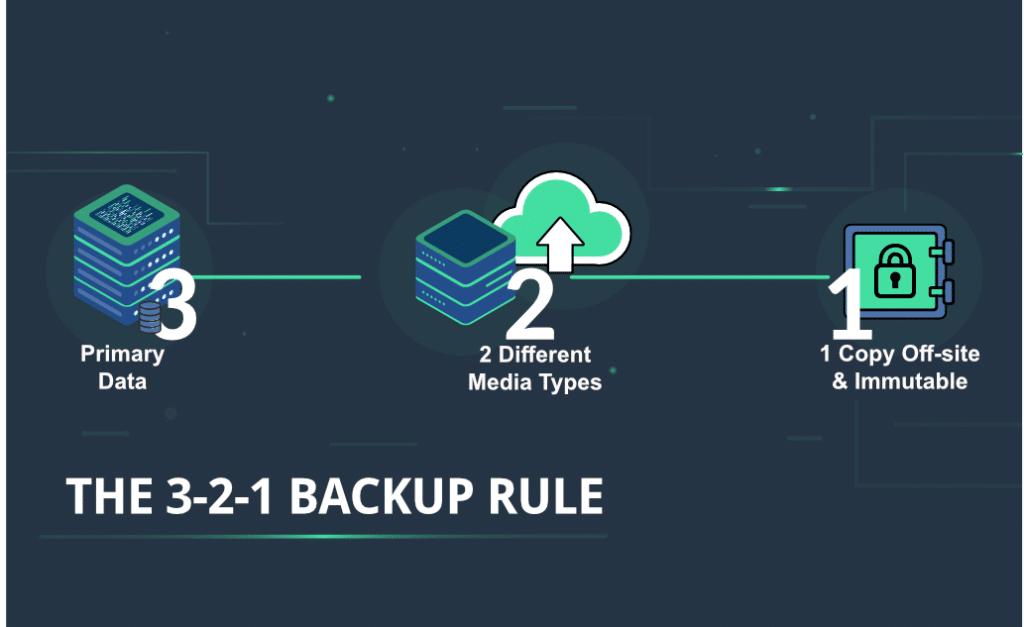
An “immutable” backup is one that cannot be altered, encrypted, or deleted by ransomware, ensuring you always have a clean version to restore from. Regularly testing your backups is just as important as having them; you need to be certain you can actually recover from them when disaster strikes.
Importance of Incident Response Plans
What will you do the moment you suspect an attack? Panic and disorganization can make a bad situation infinitely worse. An Incident Response (IR) Plan is a documented, pre-agreed-upon set of procedures for identifying, containing, and recovering from a security breach. It outlines key steps and assigns responsibilities, ensuring a swift and coordinated response that minimizes damage and downtime.
Enhancing Security Awareness Training
Technology can only do so much. The human element is often the weakest link in the security chain. Attackers know this and use social engineering tactics to trick employees into making mistakes. This is why ongoing security awareness training is one of the most critical investments you can make.
Training Employees on Identifying Threats
Your employees are your first line of defense, or your biggest vulnerability. Effective training empowers them to be a strong defense. A comprehensive security awareness training program should teach all employees, from the CEO to the intern, how to spot and report common threats, including:
- Phishing Emails: Recognizing fake sender addresses, urgent or threatening language, suspicious links, and unexpected attachments.
- Social Engineering: Understanding how attackers manipulate human psychology to build trust and extract information.
- Password Hygiene: The importance of using strong, unique passwords for every service and the benefits of using a password manager.
- Safe Internet Usage: Avoiding suspicious websites and understanding the risks of using unsecured public Wi-Fi.
Best Practices for Ongoing Security Awareness
Security awareness training is not a one-time, check-the-box event. To be effective, it must be a continuous process embedded in your company culture.
- Regular Training: Conduct training sessions quarterly or semi-annually to keep security top-of-mind.
- Phishing Simulations: Regularly send simulated phishing emails to employees. This provides a safe way to test their awareness and offers a valuable teaching moment for those who click.
- Create a Security-First Culture: Encourage employees to report anything suspicious without fear of blame or punishment. It’s far better to investigate a false alarm than to miss a real threat because an employee was afraid to speak up.
- Clear Policies: Establish and communicate clear policies for acceptable use of company technology, data handling, and remote work security.
Case Studies: Real-Life Examples of Ransomware Attacks
The abstract dangers of ransomware become chillingly real when you look at actual incidents that have impacted small businesses.
Successful Recovery Stories
A mid-sized manufacturing firm in the Midwest fell victim to a ransomware attack that encrypted their entire server infrastructure, including their ERP system that managed production schedules. Panic set in as operations ground to a halt. However, the company had invested in a robust backup and disaster recovery solution with immutable cloud backups. They immediately enacted their Incident Response Plan, disconnected the infected systems to prevent further spread, and contacted their IT partner. Instead of engaging with the criminals, they focused on recovery. Within 48 hours, they had restored their critical systems from the clean backups and were fully operational. While they suffered two days of downtime, they avoided paying a six-figure ransom and, more importantly, a prolonged and potentially business-ending outage. Their story is a testament to the power of preparation.
Lessons Learned from Major Incidents
Conversely, a small healthcare clinic with 20 employees was hit by ransomware that originated from a phishing email an employee opened. The attack encrypted all their patient records and appointment schedules. The clinic had no documented Incident Response Plan and their backups were connected to the main network, meaning they were encrypted along with everything else. Faced with the inability to treat patients or access critical health records, and under the threat of having their patient data leaked, the clinic felt they had no choice but to pay the $50,000 ransom. After paying, they received a faulty decryption tool that only recovered about 70% of their data, leaving the rest permanently lost. The clinic spent weeks manually rebuilding records, faced a HIPAA investigation, and suffered immense reputational damage within their community. This cautionary tale highlights the catastrophic consequences of inadequate preparation
Conclusion
The dangers of ransomware to small and medium sized businesses are severe, multifaceted, and existential. From crippling financial losses and operational paralysis to the erosion of customer trust, the stakes could not be higher. However, vulnerability is not an inevitability. By understanding the threat and taking a proactive, layered approach to security, you can significantly reduce your risk and build a resilient organization.
Protecting your business requires a combination of robust cybersecurity solutions, a tested business continuity plan, and a well-trained workforce fortified by continuous security awareness training. Don’t wait until you are staring at a ransom note on your screen. The time to act is now. Investing in your cybersecurity posture today is a direct investment in the future and longevity of your business.